
Support at Home: A Family's Guide to Getting Started
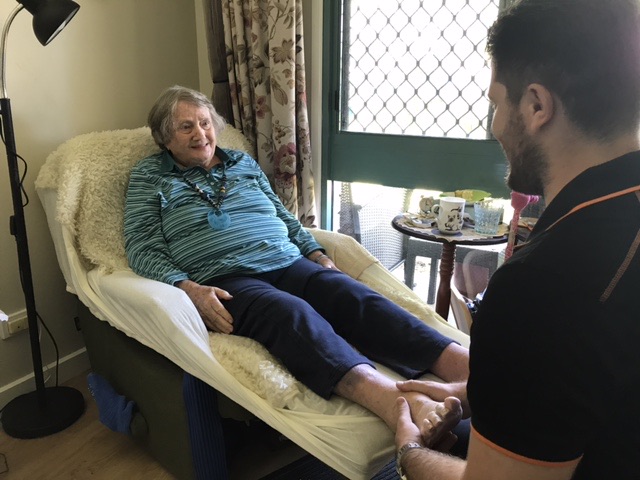
Most families meet the aged care system for the first time in a hard week. A fall, a hospital stay, or a visit home where you notice the fridge is empty and the garden has gotten away. If that is where you are, this guide walks you through getting help for your parent under Support at Home, step by step.
What Support at Home is
Support at Home is the Australian Government’s program for older people who want to keep living in their own home. It replaced Home Care Packages on 1 November 2025. The government assigns your parent a budget, a provider you choose coordinates services under a care plan, and clinical care such as physiotherapy and occupational therapy is fully funded, with nothing to pay out of pocket.
Step 1: The My Aged Care assessment
Everything starts with My Aged Care. Call 1800 200 422 or apply at myagedcare.gov.au. You can call on your parent’s behalf, but they need to give consent, so have them with you or set up an authorised representative.
An assessor then visits your parent at home and looks at what is getting harder: showering, cooking, getting to the shops, managing stairs. Be honest in this conversation. Families often understate the struggle out of pride or habit, and the assessment can only fund what it hears about. Write a list of concerns before the visit and make sure each one is raised.
Expect the process to take several weeks from first call to outcome. If things are urgent, say so. Do not wait for the next fall to start.
Step 2: The classification and budget
After assessment, your parent is assigned one of 8 classification levels. The level sets their annual budget, from $11,795 at level 1 up to $78,106 at level 8, delivered quarterly. You do not need to spend it perfectly from day one. The care plan can change as needs change.
Step 3: Choose a provider and build the care plan
Your parent chooses a Support at Home provider, and this choice matters. The provider employs the care partner, the person who manages the plan, books services and adjusts the budget. Since 1 July 2026, every provider must publish their prices and no provider can charge above the government’s price caps. Ask for the price list. If they cannot produce one, keep looking.
The care plan then sets out which services the budget buys: personal care, cleaning, transport, and the clinical services that keep your parent strong and safe at home.
Where allied health fits, and why it matters
This is the part families most often miss. Support at Home does not just fund help with tasks. It funds the clinical care that keeps your parent able to do tasks themselves:
- Physiotherapy - strength, balance and falls prevention, usually the difference between staying home and not
- Occupational therapy - home safety assessments, equipment, and up to $15,000 in equipment and home modifications through the AT-HM Scheme
- Exercise physiology - structured exercise for arthritis, diabetes, heart conditions and general deconditioning
All of it is clinical care, which means the government pays in full. If allied health is in the care plan, there is nothing for your family to pay. From 1 October 2026, personal care such as help with showering moves into the fully funded clinical category too, so budgets stretch further.
What it costs your family
Clinical care: nothing, regardless of income or pension status. Contributions only apply to the other two categories, independence supports and everyday living services like cleaning and gardening, and they are scaled to your parent’s means. For the detail on budgets and price caps, see what’s funded under Support at Home in 2026.
Questions worth asking any provider
- Can I see your published price list?
- Who will be my parent’s care partner, and how do we reach them?
- How quickly can services start once the plan is approved?
- Do you use consistent staff, or will it be someone different each visit?
- How do you include allied health in the plan, and who delivers it?
Where Optimum fits
We deliver the allied health side: physiotherapy, occupational therapy and exercise physiology in the home, across Northern NSW and South East Queensland. Your parent’s provider can refer directly to us, or you can start the conversation yourself and we will sort the paperwork with them. We know the scheme rules, so you do not have to learn them twice.
Call 1300 871 249, email refer@opthealth.com.au, or make a referral online and we will respond within two business days.