
The AT-HM Scheme Explained: Equipment and Home Modifications up to $15,000
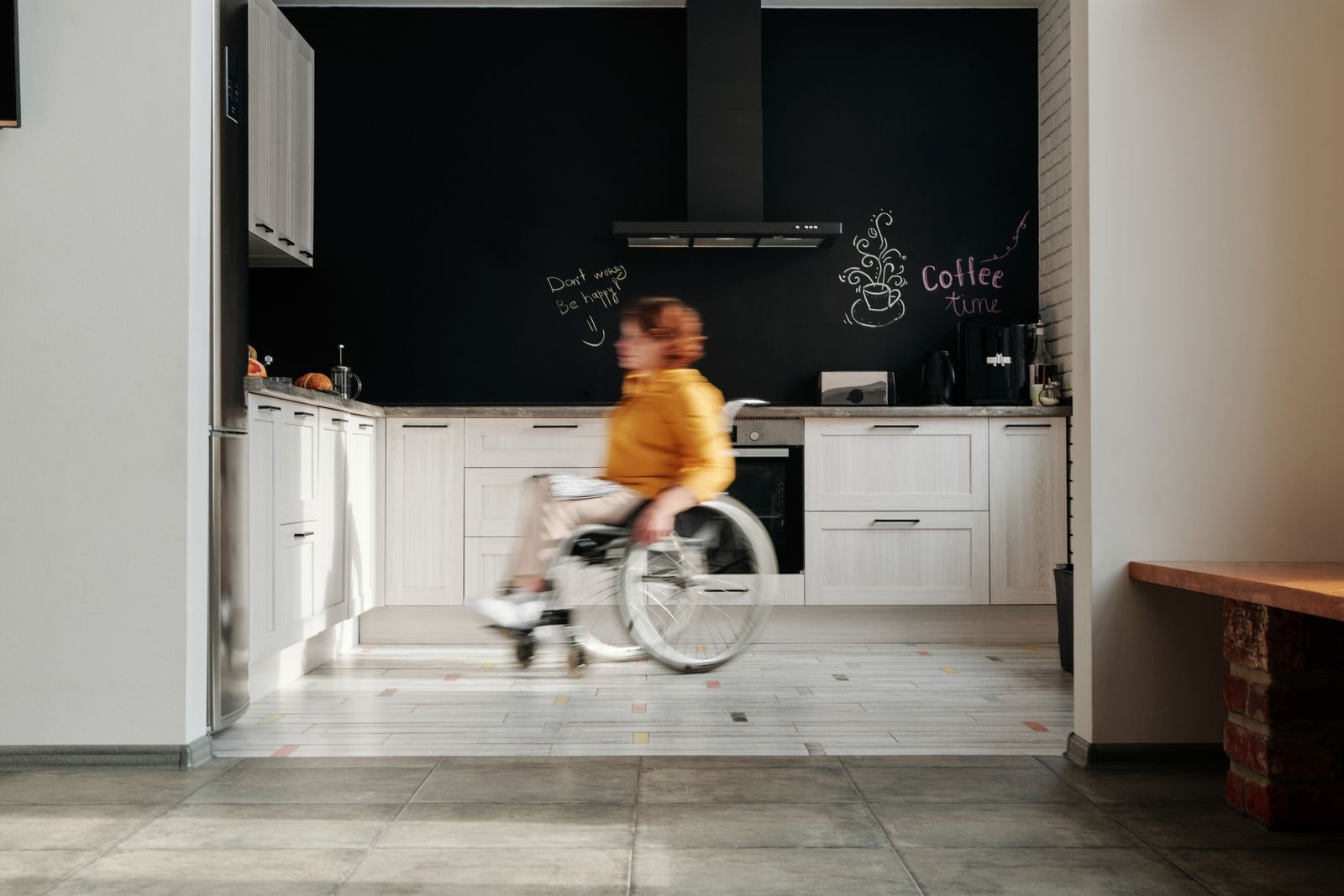
A grab rail costs a few hundred dollars. A fall costs an ambulance, a hospital stay and, too often, a residential placement nobody wanted yet. The Assistive Technology and Home Modifications (AT-HM) Scheme exists to fund the first thing so you avoid the second - up to $15,000 for equipment and home modifications under Support at Home.
Here’s how it works, and how to actually access it.
What the AT-HM Scheme is
The AT-HM Scheme is a separate funding pool inside Support at Home. It sits outside your quarterly budget - money spent on a ramp or a shower chair doesn’t reduce the funds available for your care services. If an occupational therapy assessment shows you need equipment or a modification, the scheme funds it up to $15,000.
The OT assessment itself is clinical care, which means it’s fully government funded too. You pay for neither the assessment nor the approved equipment.
What’s covered
Assistive technology - from daily living aids to major equipment:
- Walkers, wheelchairs and mobility aids
- Transfer equipment, adjustable beds and pressure care
- Shower chairs, over-toilet frames and bathroom aids
- Smaller daily living aids that keep you independent
Home modifications - from minor to structural:
- Grab rails, handheld showers, lever taps and step wedges
- Ramps and handrails at entries
- Bathroom modifications, up to full conversions
The test is always the same: does an assessment show it’s needed to keep you safe and independent at home?
Why the OT assessment is required
The scheme doesn’t fund shopping lists - it funds prescriptions. An occupational therapist assesses how you move through your own home, measures the spaces, trials equipment where possible, and writes the prescription that releases the funding. That’s the safeguard that stops the wrong rail going in the wrong place, and it’s why the assessment happens in your home rather than a clinic.
Our OTs complete AT-HM assessments across Northern NSW and South East Queensland every week. We measure, prescribe, write the documentation your provider needs, and follow the job through - including liaising with the builder on modifications.
How to access it, step by step
- Raise it with your care partner - or ask them to refer you to Optimum Allied Health directly. Anyone can start the conversation: you, family, or your provider.
- In-home OT assessment - function, environment and goals, measured where you live.
- Prescription and documentation - we write the evidence your provider needs to release AT-HM funding, with quotes where required.
- Supply and fit - equipment fitted, modifications built, and a check that it actually works for you.
Timeframes and the usual hold-ups
Minor items move quickly once prescribed. Major modifications take longer - builder quotes, provider approval and scheduling all add time. The two hold-ups we see most: referrals sitting in a queue before assessment, and paperwork that doesn’t meet the funder’s standard, so it bounces. Both are solvable by using a provider who does this every week. Our reports are written to the standard the funder expects, delivered on the date we agreed.
Think a rail, ramp or piece of equipment would keep you or your parent safer at home? Make a referral or call 1300 871 249 - we’ll handle the paperwork with your provider.
Read next: Support at Home services · Home modifications and assistive technology · Occupational therapy