
Home Care Package to Support at Home: What Changed for Physio and OT
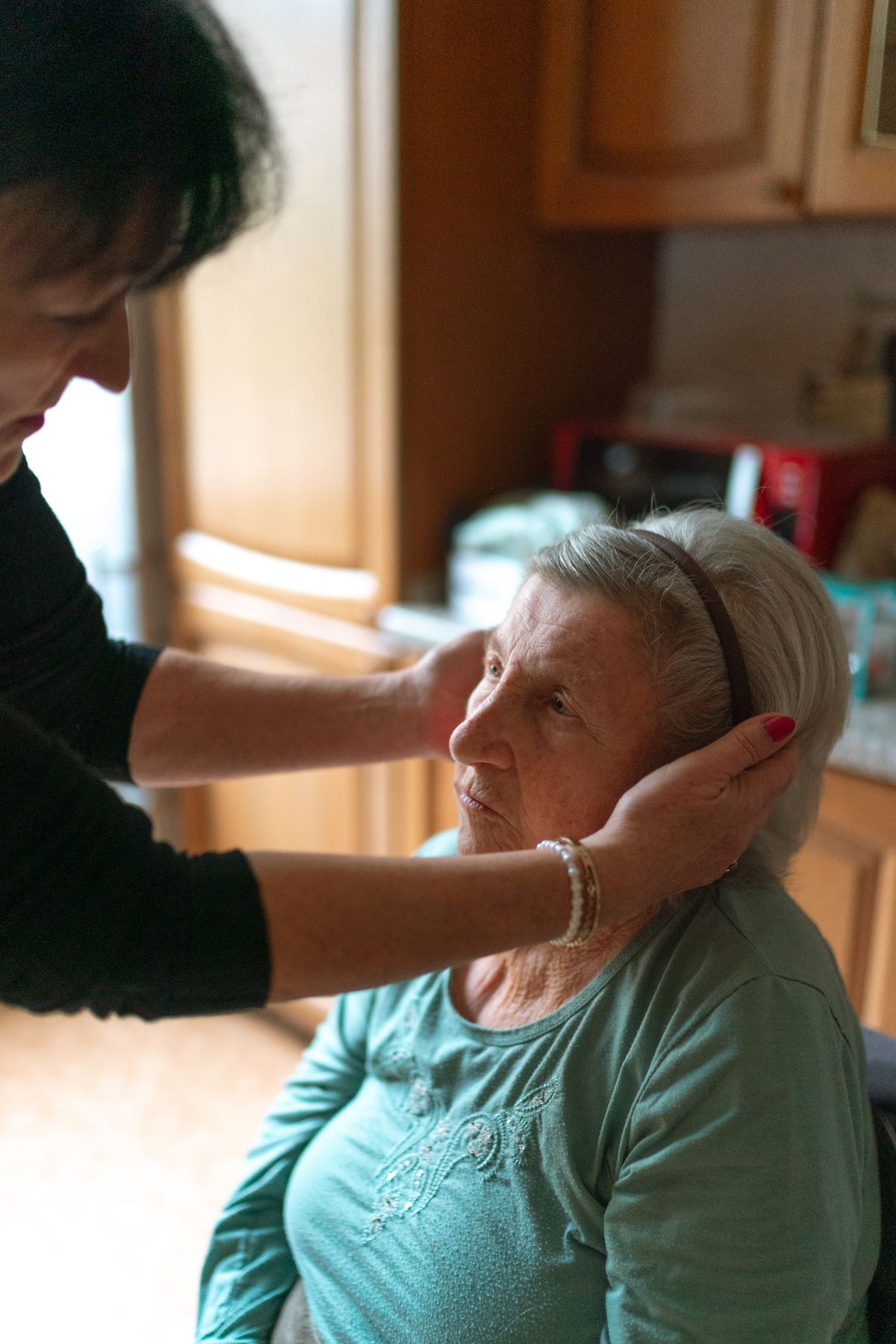
Short answer: your care continues. Home Care Packages ended on 1 November 2025 and everyone with a package was moved to Support at Home automatically. You didn’t need to reapply, and your services didn’t stop. What changed are the funding rules underneath - and for allied health, they changed in your favour.
The big win: allied health is now fully funded
Under a Home Care Package, many people paid a co-contribution towards physiotherapy and occupational therapy, depending on income. Under Support at Home, allied health sits in the clinical care category, and clinical care is fully government funded. No co-contribution, no means testing on clinical services.
If you were rationing physio visits under your old package to make the budget last, that maths has changed. Approved clinical care costs you nothing.
Quarterly budgets instead of annual
Your funding now arrives as a quarterly budget rather than an annual package amount. You can carry over a limited amount of unspent funds each quarter - up to $1,000 or 10% of your quarterly budget, whichever is higher - but the days of banking large unspent balances are over.
The practical effect: use your budget steadily through the year. A regular allied health program fits that pattern well - weekly or fortnightly visits, reviewed against goals, reported to your provider.
What to check on your new plan
The transition moved people across automatically, and automatic processes miss things. Three checks worth making with your care partner:
- Your classification level. Support at Home has 8 levels with budgets from $11,795 to $78,106 a year. Confirm your level matches your assessed needs - if your needs have grown since your last assessment, ask for a reassessment.
- Your services all made the trip. We’ve seen allied health quietly drop off plans in the transition. If physio or OT was in your old package and isn’t happening now, raise it.
- Where each service is categorised. Clinical care is free to you; independence and everyday living services attract contributions. Make sure your allied health is sitting in the clinical category it belongs in.
Common problems we see - and the fix
Since November we’ve helped plenty of families untangle transition issues: therapy that stopped without explanation, budgets allocated to everyday services while clinical needs went unmet, and equipment requests stuck between the old rules and the new ones. The fix is usually a conversation between your care partner and a provider who knows the scheme.
That’s us. We work with Support at Home, CHSP, STRC, NDIS, DVA and WorkCover every week, across Northern NSW and South East Queensland. consistent staffing on every visit, reports on time, and one number that gets answered.
If your therapy went missing in the transition - or never started - make a referral or call 1300 871 249.
Read next: Support at Home Allied Health: What’s Funded in 2026 · Support at Home services