
A Beginner's Guide to NDIS Occupational Therapy
Understanding the NDIS and Occupational Therapy
Navigating NDIS occupational therapy can feel overwhelming at first, but understanding how NDIS occupational therapy services work makes it much easier.
Occupational therapy (OT) is all about helping people with disabilities develop life skills, improve mobility, and participate in daily activities with greater independence.
How Occupational Therapy Supports NDIS Participants
So what does an occupational therapist do in the NDIS?
Occupational therapy services are designed to enhance quality of life by addressing physical, sensory, and cognitive challenges.
Whether it’s learning to cook independently, using assistive technology, or improving fine motor skills, occupational therapists customise interventions to suit individual needs.
Some ways OT supports NDIS participants include:
- Helping with personal care (e.g. dressing, grooming, hygiene)
- Improving mobility and coordination for those with motor impairments
- Developing social skills to support interaction and participation
- Providing strategies for emotional regulation for individuals with anxiety or sensory disorders
Key NDIS Support Categories
NDIS occupational therapy funding falls under different support categories, each addressing specific needs:
- Capacity Building Supports - focuses on developing skills for independent living and community participation.
- Core Supports - covers everyday assistance for tasks like personal care, mobility, and transport.
- Capital Supports - includes assistive technology, home modifications, and adaptive equipment.
How to Apply for NDIS Occupational Therapy Funding
To receive occupational therapy through the NDIS, you must first:
- Submit an application to the NDIS - providing medical and functional evidence.
- Work with an NDIS planner - determine the right support category for OT services.
- Find a therapist - through registered or independent NDIS providers.
Role of the NDIS Plan Manager in Therapy Services
An NDIS plan manager helps participants access OT services by:
- Managing therapy budgets and processing payments.
- Ensuring therapy sessions align with NDIS funding.
- Assisting with provider selection.
Plan managers simplify the process, so participants can focus on therapy rather than administrative tasks.
Types of Occupational Therapy Support Under the NDIS
NDIS OT services cater to all age groups, from children to seniors, offering custom support at each life stage.
Functional Assessments and Therapy Plans
OTs conduct functional capacity assessments to evaluate a participant’s strengths, limitations, and goals.
Based on this, they develop a personalised therapy plan to track progress.
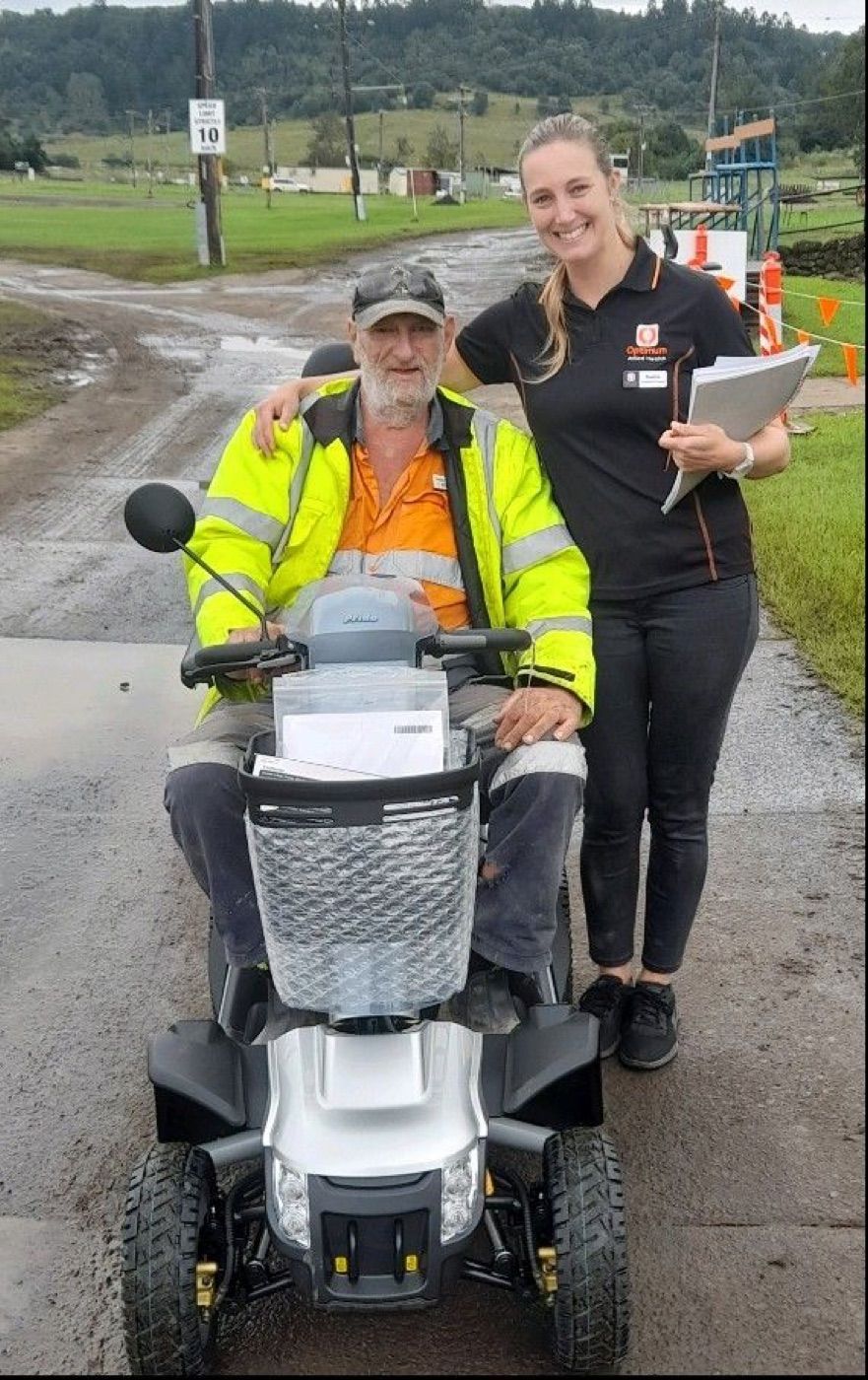
Assistive Technology and Equipment Prescription
Occupational therapists prescribe devices such as:
- Wheelchairs and walkers.
- Communication aids (for non-verbal participants).
- Adaptive cutlery and dressing aids.
- Voice-controlled home devices.
Daily Living Skills Development
For many NDIS participants, everyday tasks can be challenging. Occupational therapy helps with:
- Cooking and meal preparation.
- Hygiene and dressing.
- Budgeting and financial literacy.
- Household organisation.
Home Modifications and Accessibility Support
Some participants require modifications to make their living spaces safer and more functional. OTs assess homes and recommend adjustments such as:
- Installing grab rails and ramps.
- Widening doorways for wheelchair access.
- Adjusting kitchen and bathroom layouts.
Sensory Processing and Sensory Integration Therapy
Many people with autism, ADHD, or sensory disorders experience sensory overload. OT helps by:
- Introducing sensory-friendly strategies (e.g. noise-cancelling headphones, weighted blankets).
- Developing coping techniques for overstimulation.
- Creating structured routines to improve focus and adaptability.
Social and Community Participation Assistance
OT helps participants engage with the community by working on:
- Communication skills.
- Building confidence in social settings.
- Developing strategies for managing social anxiety.
Capacity Building and Independence Training
NDIS occupational therapy services focus on long-term independence by teaching:
- How to use public transport safely.
- Job-readiness skills.
- Self-care routines for independent living.
Mental Health and Psychosocial Disability Support
OT supports individuals with anxiety, PTSD, depression, and other mental health conditions through:
- Cognitive strategies for emotional regulation.
- Routine-building to reduce stress.
- Social engagement strategies.
NDIS Occupational Therapy for Different Age Groups
NDIS OT services cater to all age groups, from children to seniors, offering custom support at each life stage.
Occupational Therapy for Children (Early Childhood Intervention)
Early intervention focuses on motor skills, coordination, and social development.
Play-based therapy helps children build confidence and independence in daily tasks.
OT for Teens and Adolescents with Disabilities
Teenagers may need support with:
- Transitioning to independent living.
- Developing academic and job skills.
- Managing social interactions.
Occupational Therapy for Adults with Physical Disabilities
Adults may receive OT services for:
- Workplace adaptations.
- Assistive technology training.
- Pain management for chronic conditions.
OT for Seniors and Aged Care Participants
Seniors benefit from fall prevention, mobility support, and home modifications to help them age safely at home.
Participants can find NDIS providers that also provide aged care OT and physio, like Optimum Allied Health.
NDIS OT Support for Autism Spectrum Disorder (ASD)
For individuals with autism, OT helps with:
- Routine-building and structure.
- Sensory regulation.
- Social interaction coaching.
OT for Individuals with Intellectual Disabilities
For individuals with intellectual disabilities, OT helps with:
- Routine-building and structure.
- Sensory regulation.
- Social interaction coaching.
Finding the Right NDIS Occupational Therapist in Australia
Choosing the right OT provider ensures participants receive the best possible support.
What to Look for in an NDIS OT Provider
- Experience working with specific disabilities.
- Goal-oriented, individualised treatment plans.
- A clear communication style.
Difference Between Registered and Unregistered Providers
- Registered providers work directly with the NDIS.
- Unregistered providers offer flexibility but require self-managed or plan-managed funding.
How to Find a Local NDIS OT in Australia
There are many providers across NDIS occupational therapy services, offering both in-person and telehealth sessions.
Questions to Ask Before Choosing an OT
- What experience do you have with my condition?
- What therapy methods do you use?
- How long will therapy take?
Costs and Medicare Coverage for OT Services
The NDIS covers most OT services, but Medicare and private health insurance may provide additional funding options.
How to Access OT via Telehealth in Australia
For participants in remote areas or those with mobility issues, telehealth OT services offer virtual consultations.
Regional and Remote OT Services Under the NDIS
Many therapists provide mobile OT services to ensure participants in rural areas receive necessary support.
NDIS Support Coordination and OT Integration
Support coordinators assist participants in managing funding, choosing therapists, and integrating OT into their broader care plan.
Get the Right NDIS Occupational Therapy Support
NDIS occupational therapy provides essential services for individuals with disabilities, helping them develop skills, improve mobility, and lead more independent lives.
Whether it’s daily living support, assistive technology, or sensory integration, the right OT services can make a huge difference.
Looking for NDIS occupational therapy guidance? Find a provider that meets your needs and start working towards greater independence today.